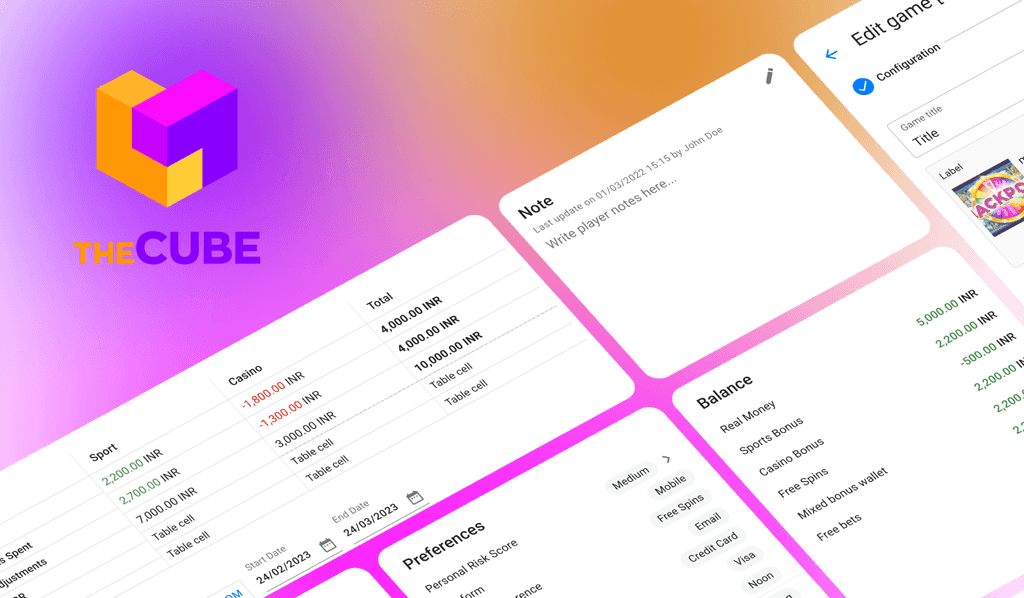
Casino platform back office redesign - making it a future-proof, efficient, and reliable system
Background
The back office is an admin platform used by several casino brands operating in different markets. Some of the brands are well established and fully operational, some of them are new and just entering the market, and this and the different markets they operate in made the task more complex because we had to cover different scenarios and use cases. Also, a major business goal was the transition to a multi-tenant platform, which naturally necessitated the move to multilingualism.
Company
Opentag
Duration
8 monts
My Role
User Research and Analysis
Information Architecture, Interaction design, Design system updates, Usability testing
Implemented on-demand features have led to unnecessarily intricate and inconsistent user flows. In addition, data is displayed inconsistently, which makes it difficult to work related to additional platform verticals.
The rapid growth and addition of new brands, as well as the work of different teams, has led to a lack of consistency at the functional and visual level.
The redesigned features a clean, clutter-free interface, making it easier for users to navigate and access essential features.
The addition of personalization and customization options enhanced user engagement, leading to a 25% increase in user retention rates.
The introduction of multi-tenancy, together with multi-language, significantly reduced the time for operational tasks.
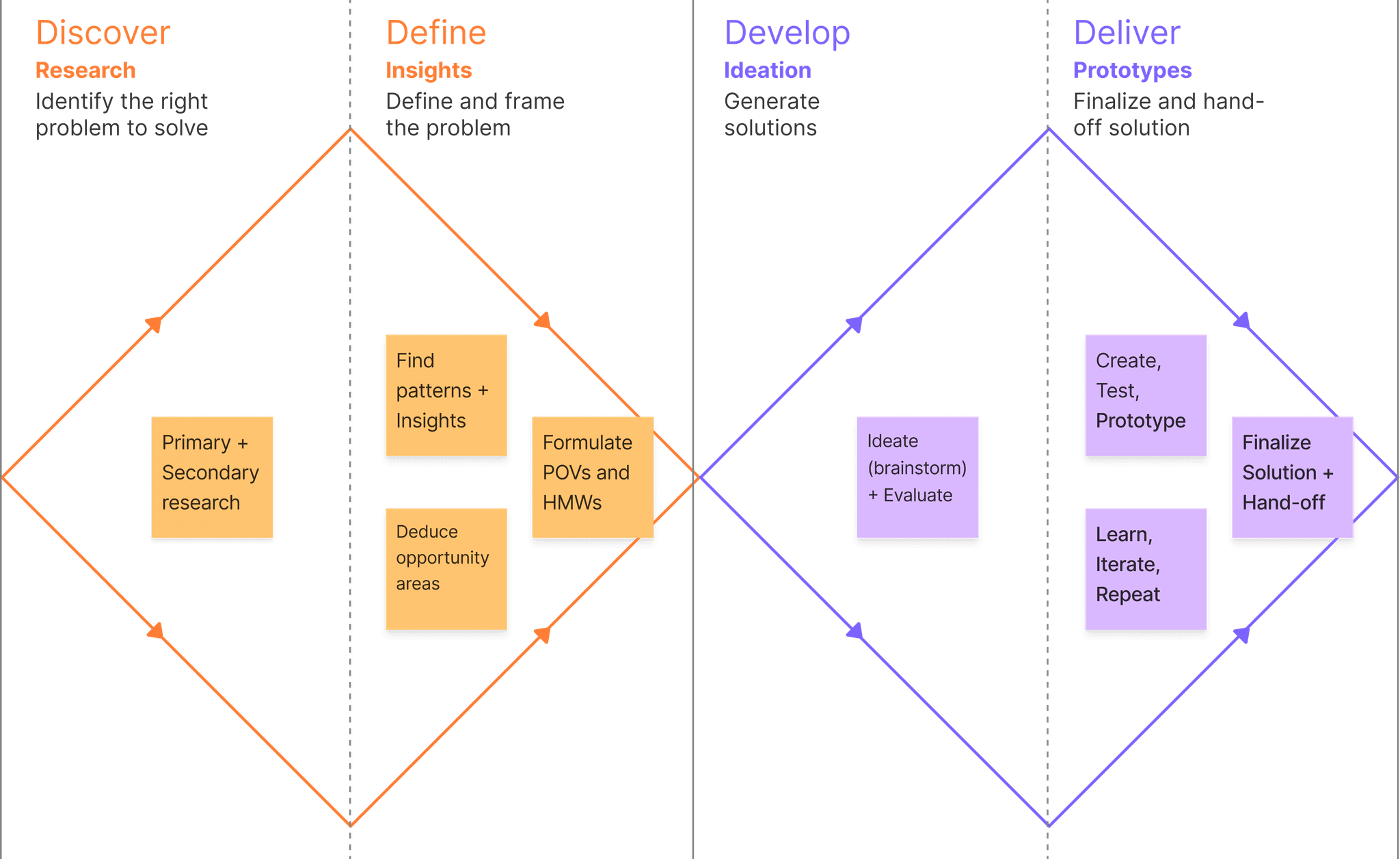
1 Discover
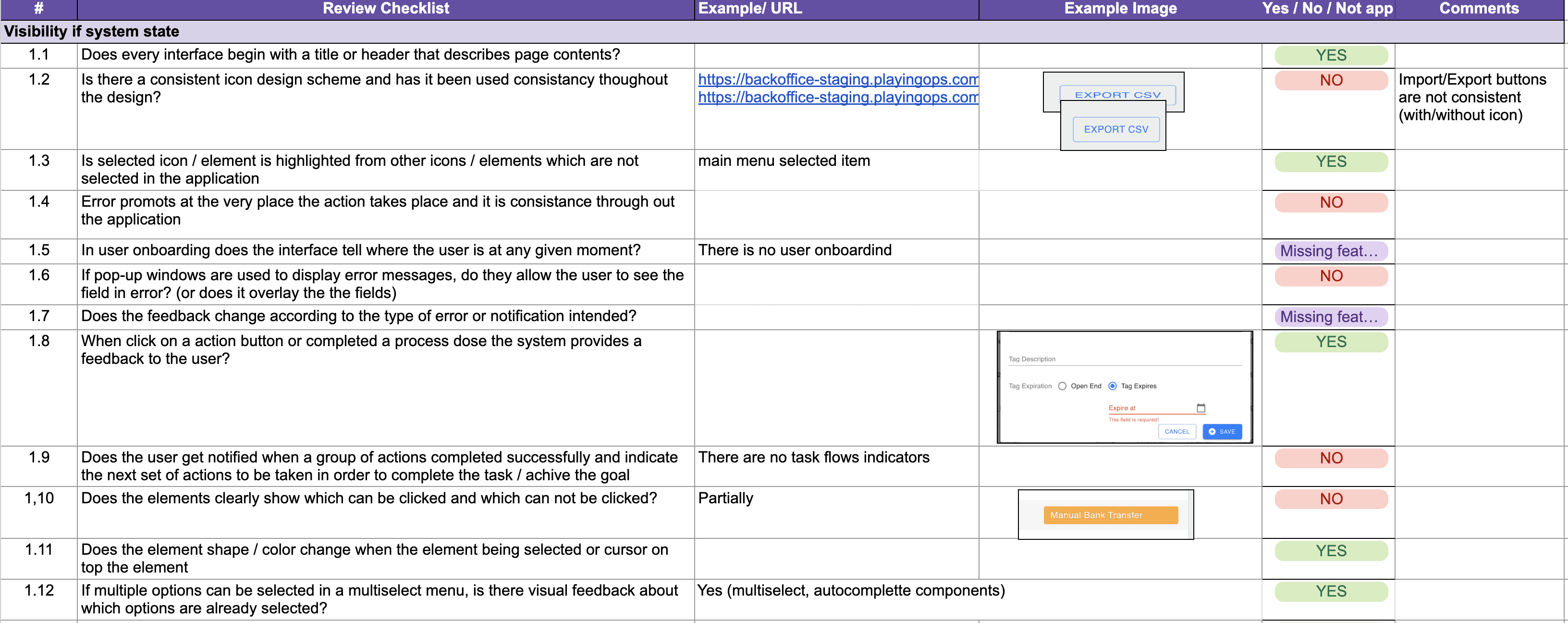
Heuristic analisys
Some of the brands are well-established and fully operational using the existing back office, which was extremely helpful because it gave me a user base I could talk to and learn from.
Stakeholder Interviews
I started with stakeholder interviews for 2 reasons: I had just started in the company, the casino domain was completely new to me, and it was an excellent way to familiarize myself with the domain and define the business goals of the project.
Gathering user insights
Some of the brands are well-established and fully operational using the existing back office, which was extremely helpful because it gave me a user base I could talk to and learn from.
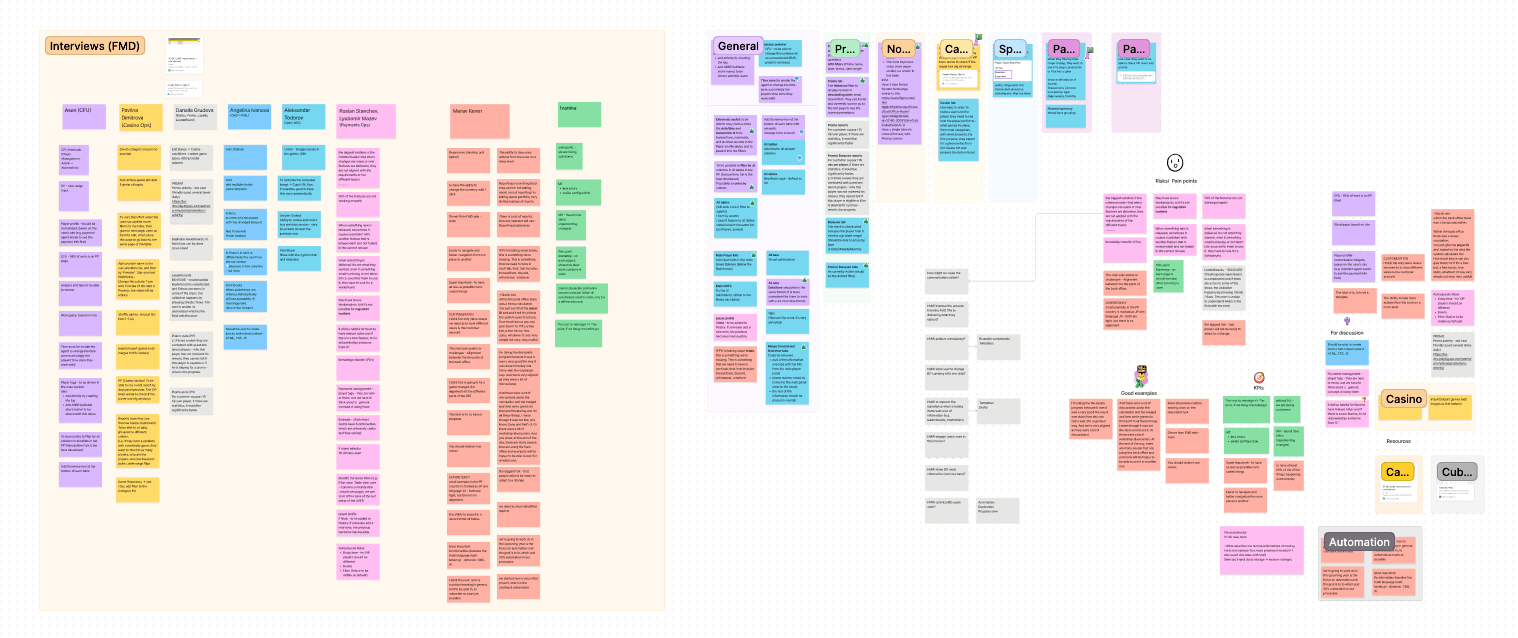
I spent the two weeks talking to various roles (support agents, account managers, casino, CMS, marketing specialists, and automation engineers), understanding their workspace and how they used the back office tools together with other tools like Skype for internal communication, chat clients for communication with players and external analytical tools.
Through the research, I gained clarity on establishing the core information architecture and optimizing content density, while also determining strategies to accurately reflect the hierarchical role structure within the back office.
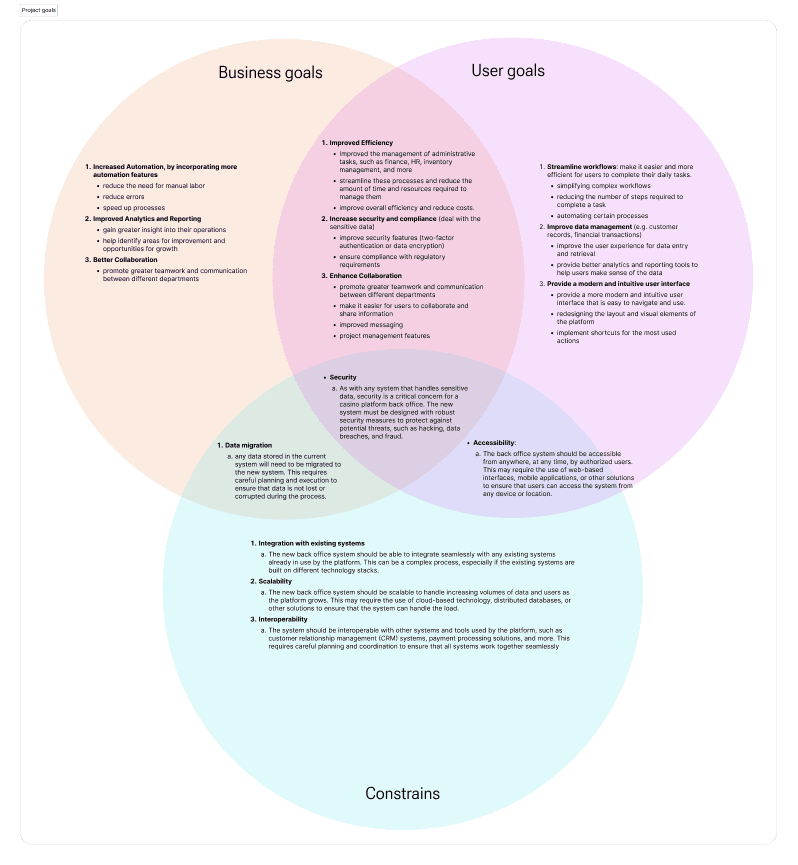
Initial insights and requirements gathering also helped me to understand how the back office system is currently used, and what users preferred workstation set-up was.
I also conducted a system analysis to understand how the back office and front office processes are integrated
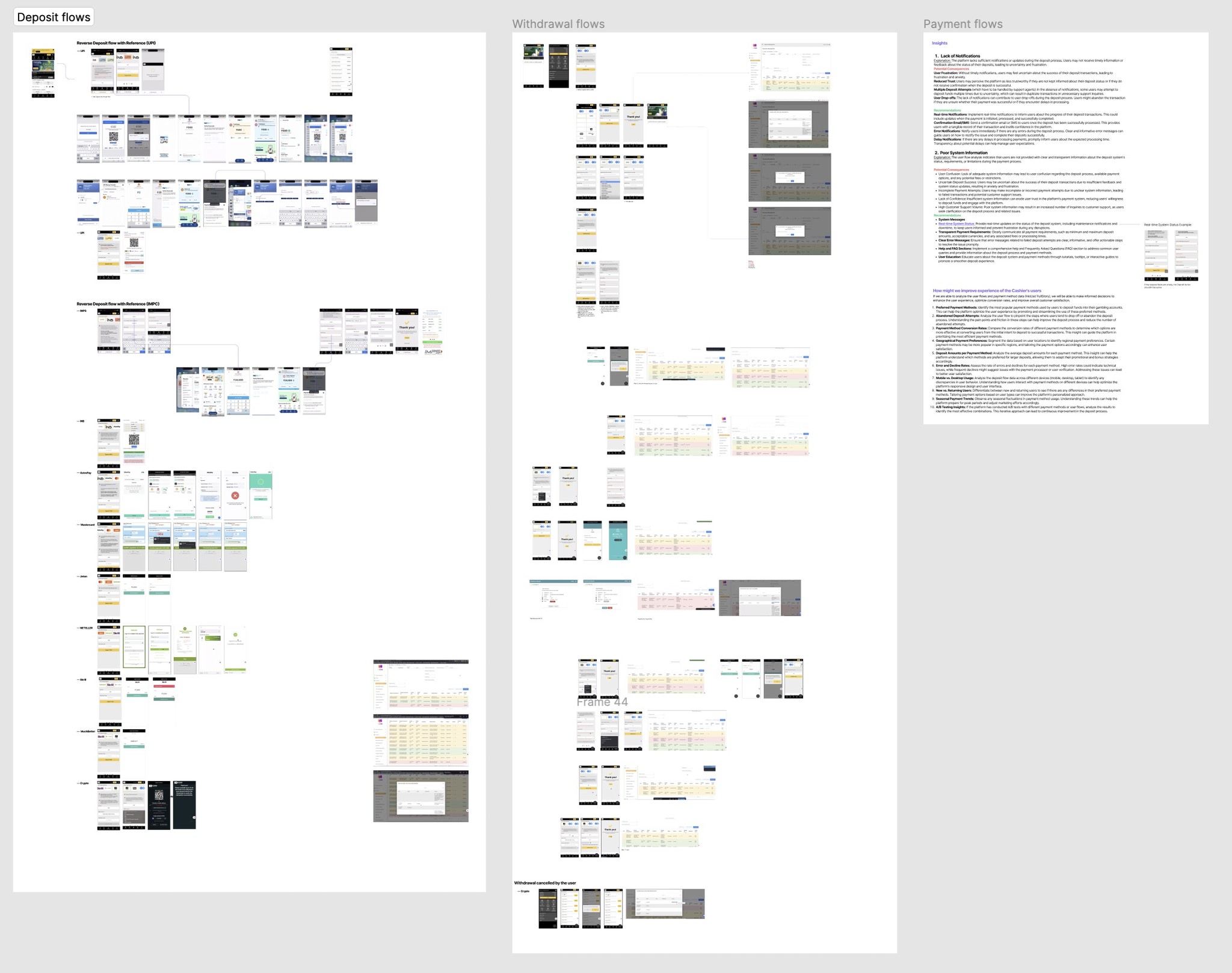
Payment flows
3 Develop
Insightful ideas
Customer support streamline
Optimize back office player profile
Implement system notifications
Creating small reports in the back office to support the work of the agents.
Enrichment of data filtering options
Error preventing
Using color to indicate destructive actions.
Keep a historical log of all actions taken in the system.
Unify the components used based on use and the goal to be achieved
Use autocomplete.
Where applicable, to add a check instead of creating duplicate entries
4 Deliver
Hi-Fi wireframes
Figma
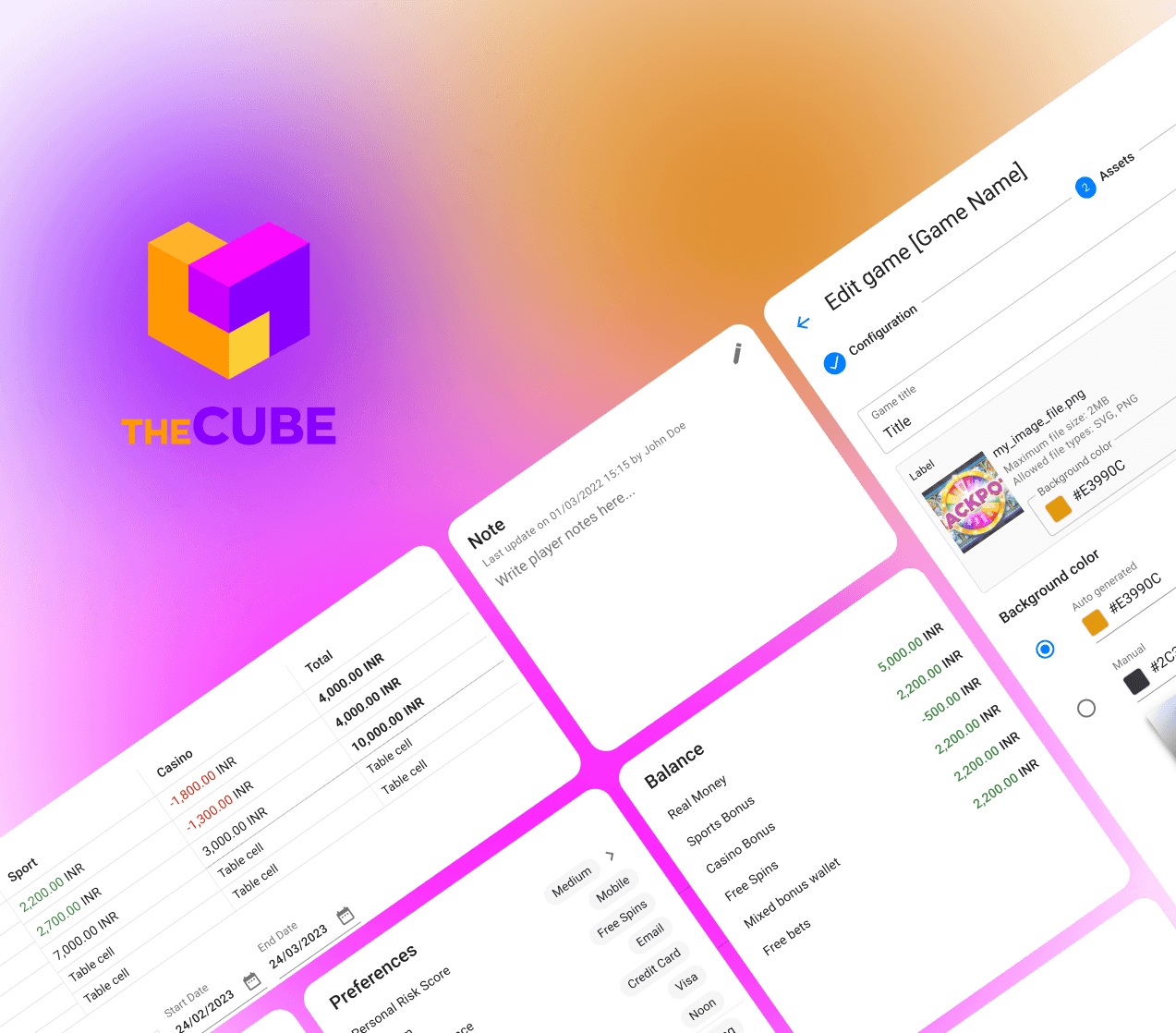
I started by redesigning of one of the most crucial pages; the player profile page. This page shows a player’s complete engagement with the system and is connected to all the verticals of the back office. It was also a beneficial approach in regard to the design system because the player profile contained a wide array of components that could be reused in other parts of the back office.
I continue with design system revision and update, and optimizing user flows
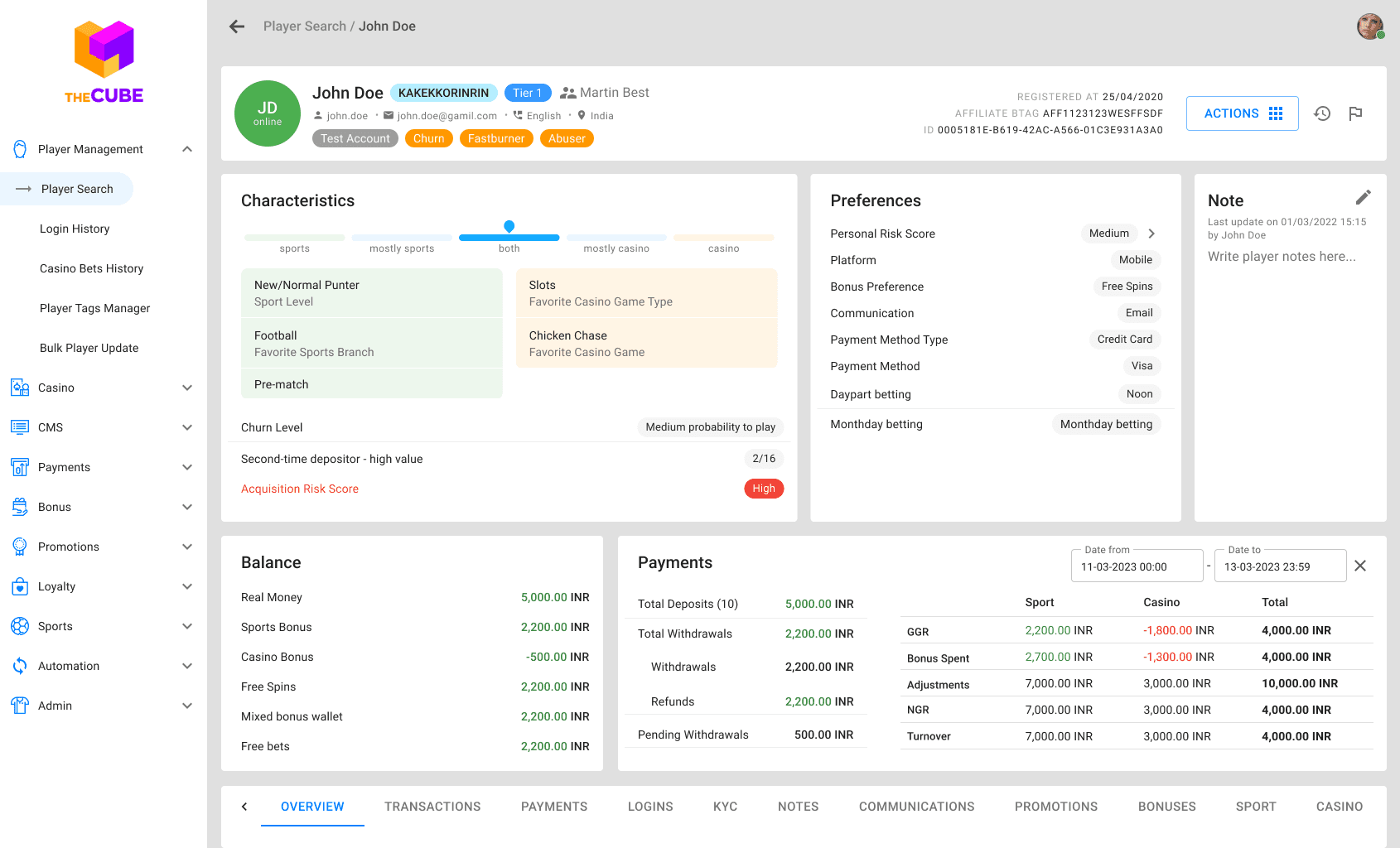
I continued with design system revision and update, and optimizing user flows
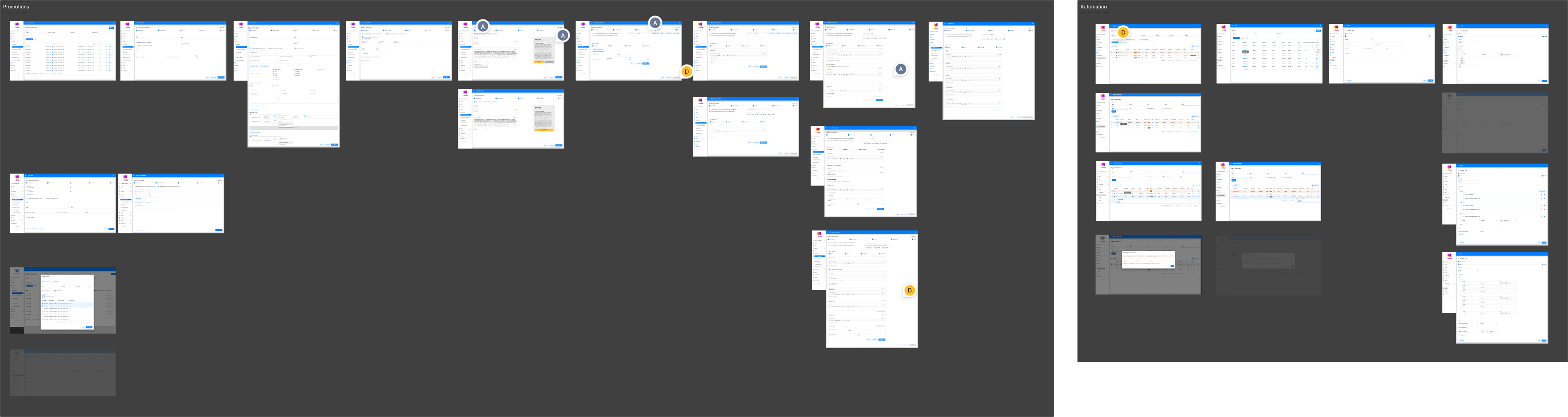

Design Hand-off
Working closely with developers to create pages templates
Accessibility Guidelines: Share the accessibility requirements and guidelines
Iterative Development process
User testing on DEV environment and, based on the received feedback, necessary improvements are made